Silane Terminated Polymer (STP) roofing systems, such as Overcoat, have been present in the UK market since around 2017 and are increasingly recognised as reliable, high-performing solutions in the liquid roofing sector. While not entirely new, their uptake has grown steadily as contractors and specifiers seek safer, more flexible alternatives to traditional systems.
Hailed as a new generation of liquid-applied waterproofing technologies, STPs are often described as a hybrid between polyurethane (PU) and silicone, combining the best of both worlds: excellent elasticity and robust weather resistance. As environmental standards tighten and performance demands increase, more professionals are specifying STP as a durable, user-friendly, and compliant alternative to traditional systems. Notably, our Overcoat system is a leading example of an STP system widely used across UK flat roofing projects.
What Are STP Roofing Systems?
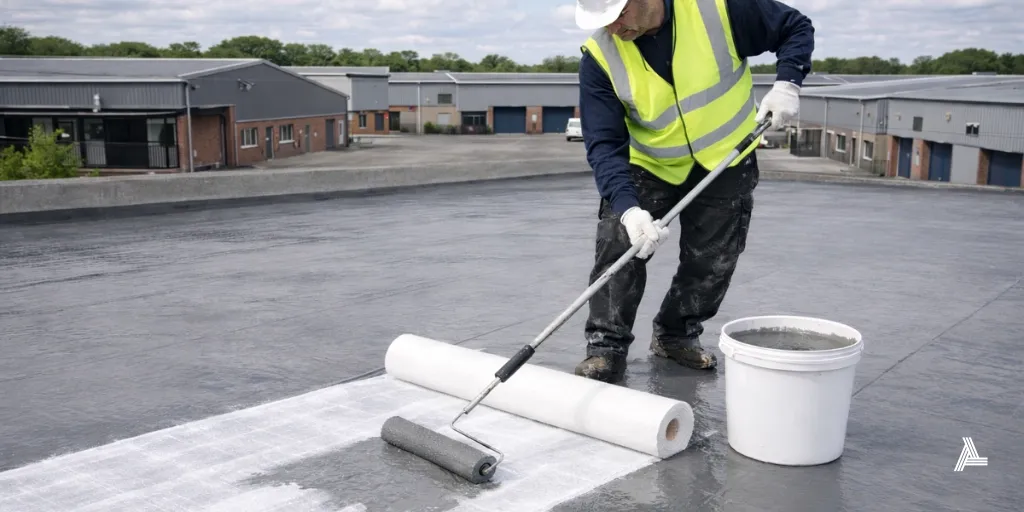
STP systems are liquid-applied waterproofing membranes made from silane-terminated polymers. They are part of the broader family of liquid roofing systems, sitting alongside PU (polyurethane) and PMMA (polymethyl methacrylate). STPs are single-component, moisture-curing systems that offer rapid installation, strong adhesion, and long-term durability.
What sets STP apart is its unique chemistry that bridges the gap between flexibility and UV resistance, making it especially suited to the variable climate and regulatory environment of the UK.
A Brief History of the Technology
Silane Terminated Polymers (STPs) were first developed in Japan in the late 1970s, with Kaneka introducing the original MS Polymer™, a silane-modified polyether designed for use in sealants and adhesives. These early materials offered a unique combination of elasticity and UV stability, which made them ideal for interior and façade applications.
It wasn’t until the 2010s that STP chemistry was adapted for external waterproofing and roofing. Manufacturers began modifying the base polymers to improve resistance to ponding water, mechanical wear, and thermal movement. By around 2020, roofing-specific STP systems, including Overcoat entered the UK market. These modern formulations brought the benefits of low VOC, moisture curing, and flexible membrane performance to flat roof applications and are now part of a growing shift towards hybrid liquid roofing technologies.
The Chemistry Behind STPs
Silane Terminated Polymers are based on modified polyurethane chains that end with silane groups. These silane terminals react with moisture in the air or substrate to form strong, flexible, and chemically bonded membranes.
It wasn’t until the 2010s that STP chemistry was adapted for external waterproofing and roofing. Manufacturers began modifying the base polymers to improve resistance to ponding water, mechanical wear, and thermal movement. By around 2020, roofing-specific STP systems, including Overcoat entered the UK market. These modern formulations brought the benefits of low VOC, moisture curing, and flexible membrane performance to flat roof applications and are now part of a growing shift towards hybrid liquid roofing technologies.
- Polyurethane core provides stretch and toughness
- Silane end-groups deliver UV stability and excellent adhesion
- No isocyanates means safer handling and lower toxicity
This hybrid chemistry means STP products cure quickly in damp conditions and maintain flexibility over time without yellowing or becoming brittle.
Key Performance Benefits of STP Roofing Systems
STP systems are increasingly favoured for their balanced, all-around performance. Here are the main advantages:
Elasticity and Flexibility
STP membranes remain highly elastic, with elongation at break often exceeding 300%. This makes them ideal for accommodating structural movement without cracking. Their flexibility also allows for ease of detailing around complex geometries, such as upstands, penetrations, and corners.
Strong Adhesion
These systems adhere well to a wide range of substrates, including concrete, timber, metals, bitumen, and even existing roofing membranes. In many cases, primers are unnecessary, simplifying installation and reducing preparation time, however, non-porous surfaces such as metals and concrete will typically require one to ensure optimal adhesion and long-term durability.
UV and Weather Resistance
STP coatings are formulated to resist UV degradation, maintaining both appearance and mechanical properties even under prolonged sun exposure. Their performance is stable through freeze-thaw cycles and varying temperatures, making them dependable throughout the seasons.
All Year Round Use
One of the biggest advantages of the UK climate is the ability to cure in damp conditions. STPs like Overcoat typically become rain-resistant within 30 minutes and can be applied in a broad range of temperatures. This all-season usability is particularly valuable on tight or weather-sensitive programmes.
Low VOC and Odour
STP roofing products have very low levels of volatile organic compounds (VOCs), ensuring compliance with UK and EU environmental standards. Their low odour profile makes them ideal for use on occupied buildings such as schools and healthcare facilities, and safer for installers working in confined areas.
In particular, our Overcoat system has a notably low odour during application, while the latest Overcoat Ultra formulation contains virtually zero VOCs, making it exceptionally well-suited to sensitive environments such as schools, hospitals, and public buildings where air quality and disruption must be carefully managed.
Versatility
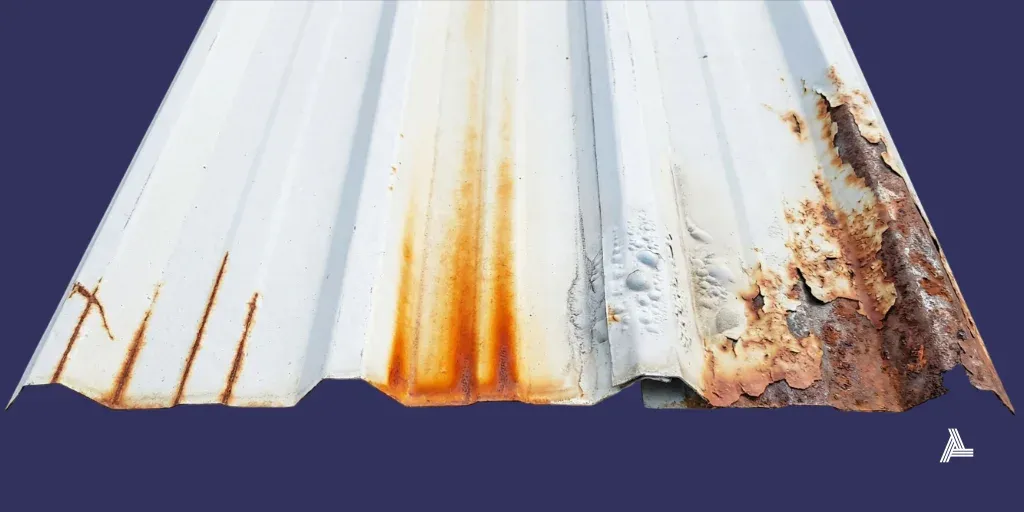
Last but not least is that STPs are incredibly versatile and can be used for everything from quick, targeted repairs, such as fixing minor leaks or treating cut edge corrosion on metal roofs, to fully re-coating large flat roofing areas. This all-in-one capability makes Overcoat the Swiss Army knife of roofing systems, giving contractors a reliable solution for a wide range of roofing challenges without needing multiple products or systems.
In particular, our Overcoat system has a notably low odour during application, while the latest Overcoat Ultra formulation contains virtually zero VOCs, making it exceptionally well-suited to sensitive environments such as schools, hospitals, and public buildings where air quality and disruption must be carefully managed.
Key Performance Benefits of STP Roofing Systems
Below is a summary comparison of how STP stacks up against PU and PMMA roofing technologies:
| Feature | Overcoat STP | PU | PMMA |
|---|---|---|---|
| Flexibility | High | High | Very High |
| UV Resistance | High | Moderate | High |
| Installation Speed | Fast | Fast | Very Fast (with catalyst) |
| Moisture Tolerance | High | Moderate | High |
| VOC Content | Very Low | Low–Moderate | High (solvent-based) |
| Detailing Capability | Excellent | Excellent | Excellent |
| Surface Preparation | Minimal | Moderate | High |
| Cost | Mid-Range | Mid–High | High |
Suitable Applications for STP Roofing Systems
STP membranes are adaptable across many project types, offering long-term value and fast application.
Commercial Roofs
- Ideal for offices, retail, warehouses, and hospitality sites
- Quick installation reduces business disruption
- Withstands thermal movement and traffic from maintenance
Residential Flat Roofs
- Suitable for garages, dormers, balconies, and extensions
- UV stability prevents premature ageing
- Low-odour application minimises disruption to occupants
Public Sector and Education
- Meets low-emission and safety requirements for schools and hospitals
- Safe for occupied buildings
- Fast cure times reduce project timelines
Heritage Refurbishments
- Non-invasive application suits delicate structures
- Can be used over sensitive substrates
- Compatible with green and lead-look finishes
Considerations
Installing flat roofing systems in the UK comes with a unique set of challenges, from ever-changing weather to evolving safety regulations. STP systems must therefore be assessed not only on technical performance, but also on their ability to meet these local demands. Below are some of the key considerations when selecting and specifying STP roofing for British buildings.
Compliance and Certification
In the UK, liquid roofing systems are subject to stringent building regulations that demand not only waterproofing performance but also compliance with fire safety, environmental, and construction standards. One of the most critical factors is fire resistance, particularly on large flat roofs where flame spread must be contained. Overcoat has been independently tested and achieves Broof (t4) classification, the highest fire rating for flat roof membranes under UK Building Regulations. This makes it suitable for use on both domestic and non-domestic buildings, including schools, hospitals, and commercial facilities.
In addition to fire compliance, STP systems may be CE Marked or UKCA certified, depending on the supplier and manufacturing origin. Most leading formulations also meet the technical requirements of EN 1504-2 and ETAG 005, key European standards for liquid-applied waterproofing products, ensuring they deliver proven, tested performance across varied roof types and conditions.
Performance
STP’s moisture-curing technology makes it exceptionally well-suited for the UK’s unpredictable weather. These systems tolerate damp conditions during application and become rain-resistant quickly, making them viable even in colder months. Once cured, they provide reliable protection against frost, ponding water, and daily thermal expansion and contraction.
Environmental Integration
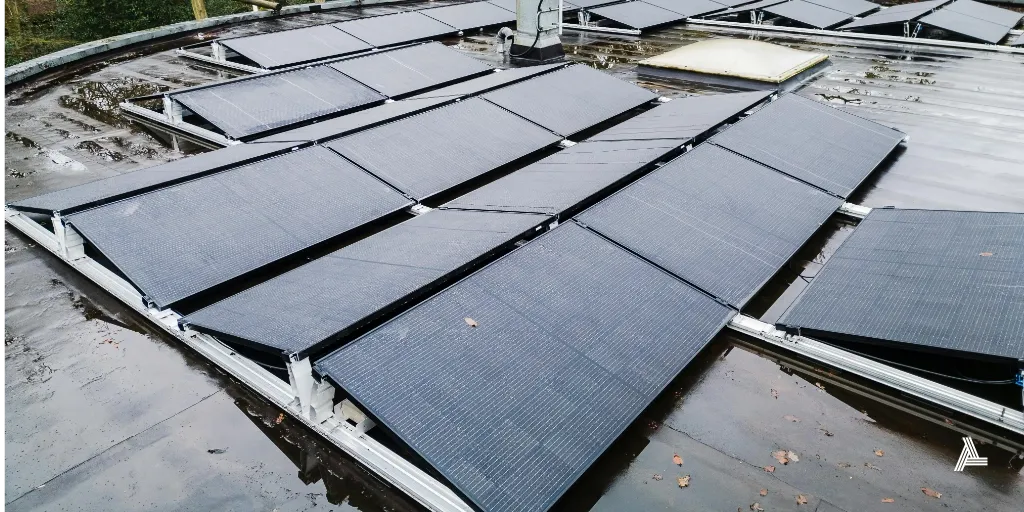
STP membranes are compatible with modern sustainable roofing solutions and can be used beneath green roof systems, ballasted finishes, or solar PV installations. Their long service life and minimal maintenance needs contribute to lower lifecycle costs and improved environmental performance over time.
The Future of STP in British Roofing
As the UK roofing market continues to evolve, STP systems are emerging as a modern, sustainable solution for flat roofing. Their hybrid chemistry solves long-standing challenges with flexibility, adhesion, weather resistance, and compliance. With installers and specifiers seeking low-VOC, easy-to-apply, and reliable systems, STP is increasingly being chosen as a go-to option for both new builds and refurbishments.
In a market driven by long-term performance and environmental responsibility, Silane Terminated Polymer systems like Overcoat offer a compelling mix of innovation and practicality. Whether for a busy school roof or a city centre apartment block, STP systems provide resilient waterproofing without compromise.
To find out more about Overcoat, including full technical specifications, installer training, and case study examples, visit Overcoat’s dedicated website or get in touch with the Allbase team. Whether for a busy school roof or a city centre apartment block, STP systems like Overcoat provide resilient waterproofing without compromise.