Roof and floor surveys. A clear picture of your building’s condition, and what to do next.
Our nationwide technical services team assesses commercial roofs and floors on the ground and from the air, then sets out the issues and the most cost-effective way to resolve them.
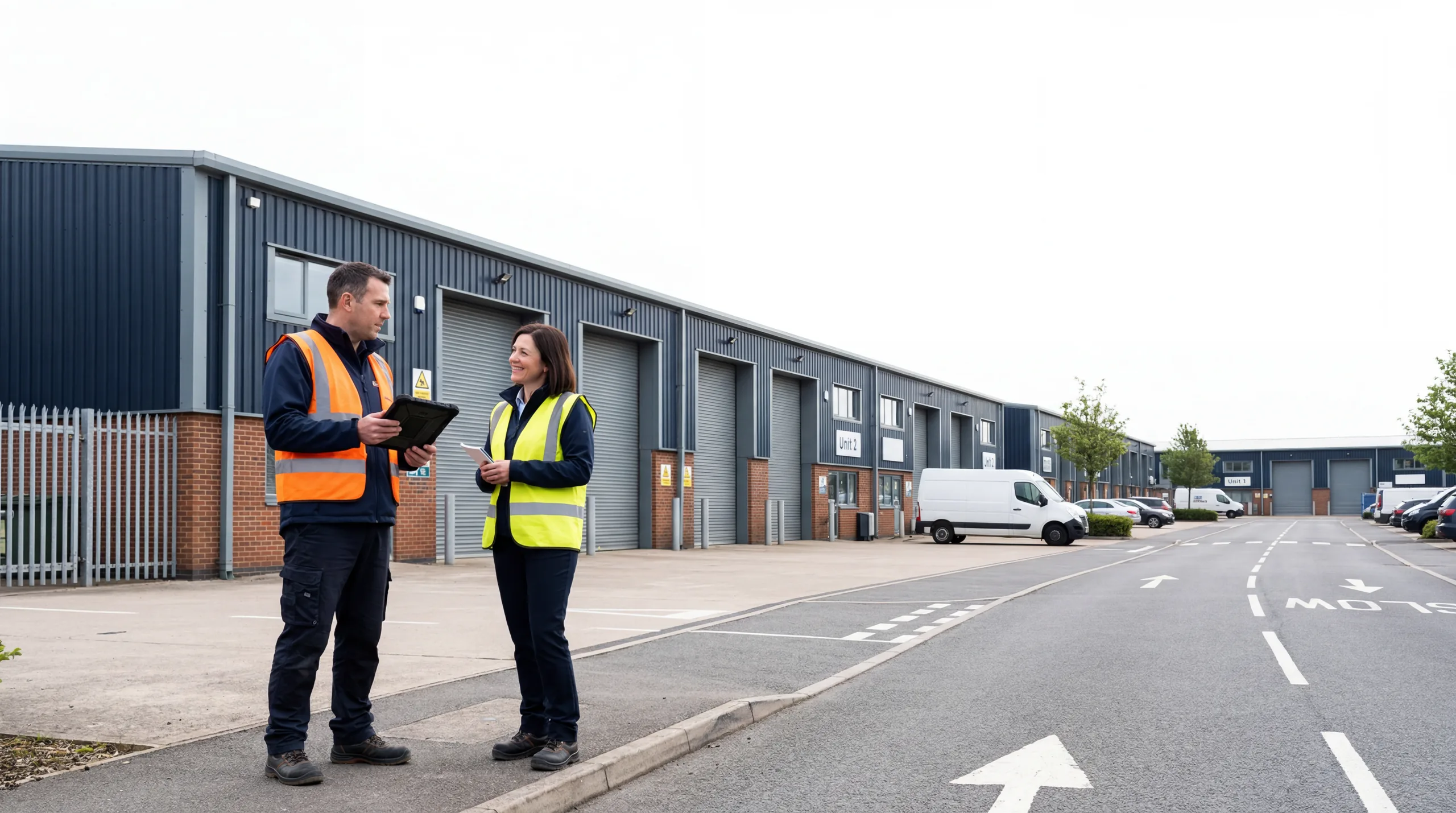
Why survey
Why survey your roof or floor? Small defects rarely stay small.
British weather, ageing buildings and heavy day-to-day use all take their toll. A regular survey finds minor issues, damp, movement or corrosion, before they escalate into disruptive and expensive repairs.
Understand the condition
A qualified assessment of every element, so you know exactly what you are dealing with across a roof or a floor.
Clear, evidenced data
Findings backed by photographs, video, thermographic imagery and digital 3D modelling, not guesswork.
Act before it costs more
Catch defects early to avoid business interruption and the far higher cost of a full replacement.
Roofs and floors
One team for roofs and floors. The same rigour, wherever the problem is.
Every survey follows a procedure tailored to the structure and its coverings, with checklists that leave nothing missed and a report that shows the condition of each element.
Pitched, flat and metal roofs.
Fully qualified to inspect the full range of commercial and industrial roof designs, from flat roofs and car parks to profiled steel and mansard areas.
- CoveringsSlate, tiles, felt, single-ply, hot melt, mastic asphalt, liquid systems, profiled steel, fibre cement and metal.
- ComponentsRidges, fascias and soffits, drainage, valleys and box gutters, chimney stacks, parapets, fixings, flashings and rooflights.
- Condition risksWater ingress, ponding, cut edge corrosion, blocked gutters, insulation and condensation, plus RAAC and asbestos identification.
Resin, screed and concrete floors.
A full assessment of commercial and industrial floors before any resin or coating is specified, so the system fits the substrate and the use.
- SubstrateConcrete slab and screed condition, cracking, delamination and joint condition, with soundness checks across the area.
- MoistureRelative humidity and moisture testing to confirm the slab is ready for a resin or coating system.
- Surface and performanceExisting coating adhesion, contamination and wear, slip resistance by pendulum test, and falls to drainage.
Methods & report
Traditional methods, modern data. A report you can act on.
Every survey brings hands-on inspection together with the latest technology, then packages the findings into one clear report with recommendations and a costed way forward.
Hands-on inspection
An experienced surveyor checks every element against a tailored checklist, on the ground and at height.
Drone and thermal imaging
High-resolution aerial imagery and thermographic data reach areas that are hard or unsafe to access.
3D modelling and reporting
Findings, photos and recommendations pulled together into a detailed report, with digital 3D modelling where it helps.
Common findings
Issues we commonly identify. The defects a survey catches early.
Water ingress
Signs of leakage through the roof system that can cause structural and internal water damage.
Ponding
Standing water from poor drainage that leads to premature deterioration and leaks.
Cut edge corrosion
Corrosion on metal roofing that weakens the structure and can lead to leaks.
Blocked gutters
Debris and blockages in the gutter system that stop effective drainage and risk water damage.
RAAC
Reinforced autoclaved aerated concrete panels identified, with a plan to remove and re-roof safely.
Asbestos
Identification of asbestos-containing materials that can be a health risk if disturbed.
Slab moisture
High moisture or relative humidity in a floor slab that would fail a resin or coating if left unchecked.
Slip resistance
Pendulum testing of floor surfaces to confirm safe slip resistance for the way the space is used.
Delamination
Existing floor coatings or screeds lifting from the substrate, flagged before a new system goes down.
The Allbase Portal
Every survey, managed in the Allbase Portal. Clients, contractors and our technical team in one place.
Once a survey date is set, a project is created in the Portal. Share updates, access reports and imagery, and track every recommendation through to completion, all in real time and on any device.
FAQ
Frequently asked questions. The things people ask before booking.
What does a survey include?
A full assessment of the structure and its coverings, backed by photographs, video, thermographic imagery where useful and digital 3D modelling. You receive a clear report setting out the findings, the condition of each element and our recommendations.
Do you survey floors as well as roofs?
Yes. Our technical services team surveys commercial and industrial floors as well as roofs, assessing substrate and screed condition, moisture, existing coatings and slip resistance before any resin or coating system is specified.
How do you decide which inspection method to use?
It depends on the roof or floor design, its coverings and safe access. We combine hands-on inspection with drone and thermal imagery and, for floors, moisture and slip testing, choosing the right method for the building.
My roof is leaking, can you help quickly?
Get in touch and we will prioritise it. A survey identifies the source of the ingress so the right repair or waterproofing system can be applied quickly, limiting damage and disruption.
Do your systems come with guarantees?
Yes. Allbase liquid systems can be covered by Basecare, providing material-backed cover and, with an Approved Contractor, workmanship cover as well, all managed through the Portal.
How often should a roof or floor be surveyed?
As a guide, an annual inspection suits most commercial roofs and floors, with additional checks after severe weather or heavy use. A survey sets a baseline and an appropriate schedule for your building.
Ready to start?
Request a survey and our technical services team will arrange it, or schedule a consultation to talk through your building with one of our specialists.