As 2025 unfolds, sustainable roofing is emerging as one of the focuses of the UK construction industry. This shift is driven by global climate change policies, escalating energy costs, and increasing consumer demand for greener, more efficient solutions. With the UK’s ambitious commitment to achieving net-zero carbon emissions by 2050, sustainable roofing is not just a trend—it’s an essential part of the nation’s environmental strategy. In this article, we explore the latest innovations, materials, and regulations shaping the future of roofing, while addressing the challenges and opportunities ahead.
Key Sustainable Roofing Materials and Technologies
In 2025, advancements in sustainable materials and technologies are revolutionising roofing practices. A clear trend for 2025 is putting environmental impact next to the specification, with more clients asking for lifecycle and LCA advisory input before a material is signed off. Here are some of the most promising options:
Bio Solar Green Roofs
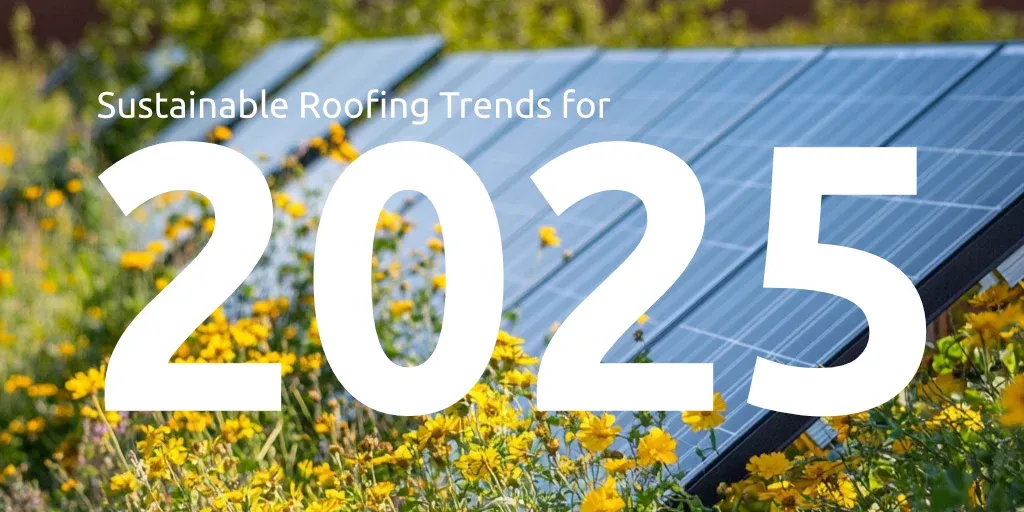
Bio-solar green roofs are an innovative hybrid solution combining vegetation and solar energy systems. These systems enhance biodiversity while generating renewable energy, offering a dual benefit. The vegetation layer provides cooling and reduces the ambient temperature around solar panels, boosting their efficiency. At the same time, the panels shield the plants, ensuring optimal growth conditions by reducing exposure to excessive sunlight and heat.
Biodiverse Green Roofs
Beyond the traditional sedum green roofs, there is also a growing trend towards biodiverse systems that support a variety of plant species, promoting urban biodiversity and providing natural insulation.
The introduction of new species is creating habitats that enhance urban biodiversity. In the UK, these roofs often feature native wildflowers, grasses, and herbs such as Common Bird’s-foot-trefoil (Lotus corniculatus), Oxeye Daisy (Leucanthemum vulgare), Red Fescue (Festuca rubra), and Wild Thyme (Thymus polytrichus). These plants are selected for their adaptability to shallow substrates, drought tolerance, and ecological value, providing resources for pollinators and other wildlife throughout the growing season. By carefully selecting and combining these plant species, biodiverse green roofs can significantly enhance urban ecosystems, offering aesthetic appeal and vital support for local wildlife.
Solar Panels & Solar Tiles
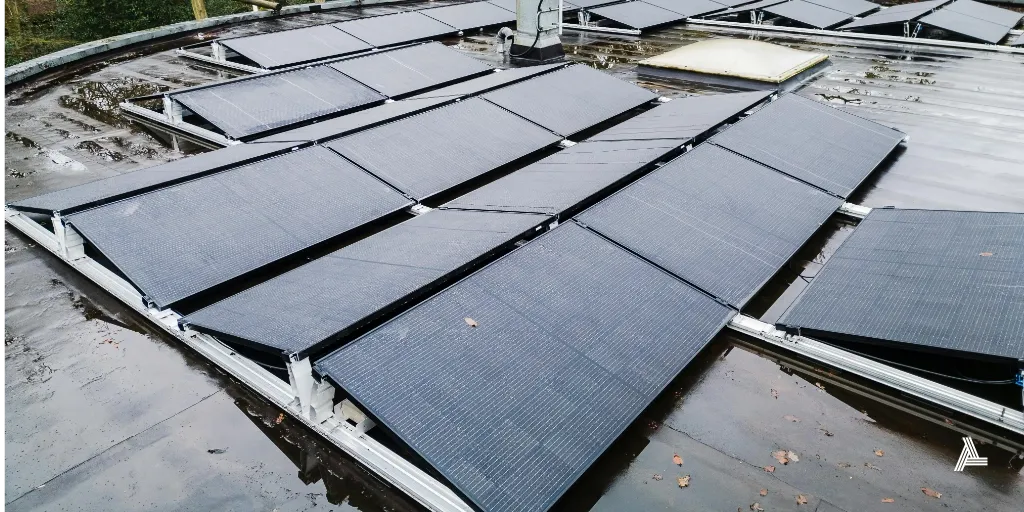
The integration of photovoltaic (PV) systems into roofing materials has advanced, with solar shingles becoming more aesthetically pleasing and efficient. These systems not only generate electricity but also blend seamlessly with traditional roofing materials, making them an attractive option for both residential and commercial properties.
Notably, Tesla has developed a Solar Roof system that combines energy generation with durable, aesthetically pleasing roofing materials. However, as of now, Tesla’s Solar Roof is not yet available in the UK, and the company has not announced a specific release date. UK customers can sign up for updates on Tesla’s website to receive the latest information on availability.
Advanced Insulation Materials
Innovations in insulation, such as vacuum-insulated panels and aerogels, offer superior thermal performance, reducing heat loss and energy consumption.
VIPs are high-performance insulation solutions that provide exceptional thermal resistance within a slim profile. Comprising a rigid, gas-tight enclosure surrounding a core material from which the air has been evacuated, VIPs achieve thermal conductivities as low as 0.004 W/m·K. This makes them ideal for applications where space is limited, such as in flat roof constructions. Manufacturers like Kingspan offer VIP options suitable for various roofing applications. 
Aerogels are among the lightest solid materials available and provide outstanding thermal insulation while being incredibly thin. These materials are especially effective for skylights and areas requiring translucent solutions, as they allow light to pass through without compromising insulation. Their moisture-resistant properties also help reduce condensation and mould issues.
Recycled and bio-based insulation materials like sheep’s wool, hemp, and cellulose can be used on flat roofs, provided they are paired with proper waterproofing layers to prevent moisture ingress. They are sustainable options for eco-conscious projects.
Recycled, Bio-Based and Low Carbon Materials
Roofing materials made from recycled plastics, reclaimed timber, and bio-based options like bamboo are gaining traction in the UK. These materials offer durability and sustainability, reducing carbon footprints while contributing to circular economy practices.
Smart Roofing Technologies
IoT-enabled systems are revolutionising roof maintenance, with sensors monitoring structural health and environmental conditions. These technologies can detect leaks, energy losses, and maintenance needs, allowing proactive management and extending roof lifespans.
Regulatory Changes and Government Incentives
The UK government is actively supporting the transition to sustainable construction through policies and incentives. Stricter building regulations now mandate improved energy performance, including requirements for sustainable roofing materials. The Building Regulations Approved Document L specifies U-value targets to minimise heat loss, which promotes the use of high-performance insulation materials, including recycled and natural insulators.
Green roofs are encouraged through the Green Roof Organisation (GRO) Code, which provides industry guidelines for design, installation, and maintenance, helping to promote biodiversity and sustainable water management. Additionally, fire safety standards such as BS 13501 influence the selection of roofing materials, favouring durable, recyclable materials like copper and other eco-friendly options that meet stringent fire resistance requirements.
The Great British Insulation Scheme now provides funding for insulation improvements, including roof and loft insulation, which directly impact energy efficiency and sustainability. Local council-led initiatives also offer support for eco-friendly roofing solutions, focusing on energy-efficient upgrades and low-carbon construction practices.
Challenges in Adopting Sustainable Practices
Despite the progress, the roofing industry faces several obstacles in the widespread adoption of sustainable practices. One major challenge is the higher upfront costs associated with sustainable roofing materials and systems. While these materials provide long-term savings through energy efficiency and durability, many property owners and developers are deterred by the initial investment required. Financing options and incentives need to be more widely accessible to encourage greater adoption.
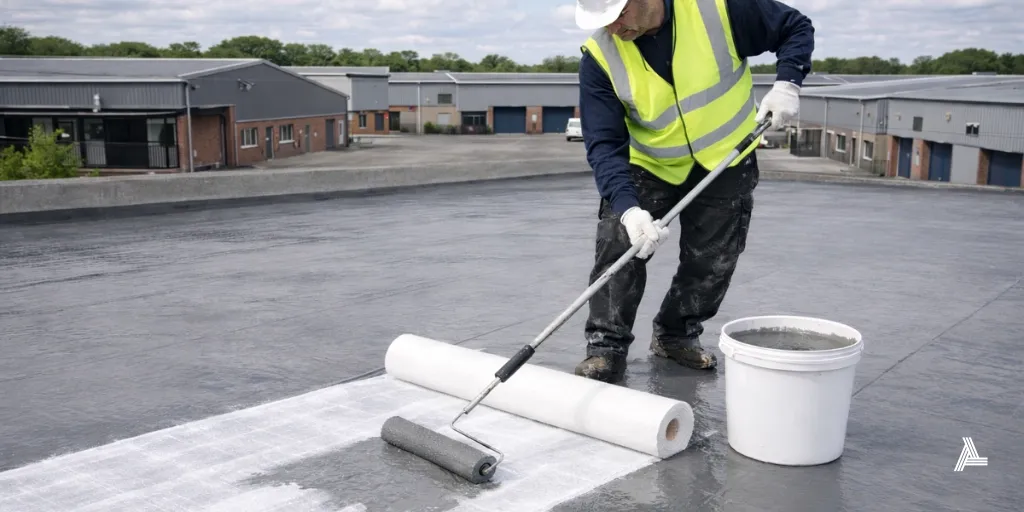
Another significant challenge is the lack of skilled professionals trained in sustainable roofing techniques. The rapid evolution of green roofing technology means that many traditional roofing contractors lack the necessary expertise to install and maintain advanced systems such as bio-solar roofs, integrated photovoltaics, and liquid-applied solutions. Addressing this gap requires investment in industry training programs, apprenticeships, and certifications tailored to modern sustainable roofing practices.
Supply chain issues also pose a considerable barrier as the demand for eco-friendly roofing materials grows, availability can be inconsistent. Sourcing high-quality, sustainable materials—such as recycled roofing components or advanced membranes—can be difficult, leading to delays and increased costs. More robust and localised supply chains are needed to ensure a steady and affordable flow of materials for roofing professionals.
Regulatory complexity is another hurdle. While sustainable roofing is encouraged by government policies, navigating the maze of regulations, incentives, and local planning requirements can be challenging. Many property owners and businesses lack clear guidance on compliance, making it difficult for them to implement sustainable roofing solutions efficiently. Greater transparency and streamlined approval processes would help overcome this issue.
There is also still some pushback from within the industry itself with many construction firms and developers prioritise cost-cutting and short-term savings over long-term sustainability. Raising awareness of the financial and environmental benefits of sustainable roofing solutions is essential in shifting industry mindsets towards embracing sustainability as the standard rather than the exception.
Conclusion
The transition to sustainable roofing in the UK is driven by necessity, innovation, and regulatory advancements. With new materials, cutting-edge technologies, and supportive government policies, the industry is making significant strides towards achieving long-term sustainability. However, challenges such as high upfront costs, skill shortages, supply chain issues, and regulatory complexities must be addressed to ensure widespread adoption. By fostering collaboration between industry stakeholders, policymakers, and homeowners, the UK can pave the way for a roofing sector that prioritises sustainability, energy efficiency, and environmental responsibility. Embracing these advancements today will contribute to a greener, more resilient future for the built environment.