Roof specifications are essential for the success of any roofing project. Whether you’re replacing a flat roof at home, working on a commercial refurbishment, or managing a complex new build with multiple trades and compliance requirements, paying close attention to these details makes all the difference. Unfortunately, specifications are often misunderstood or overlooked, sometimes regarded as mere formalities. In reality, they serve as the crucial technical foundation that guarantees the roof’s long-term performance and durability.
This guide explains what a roof specification is, why it matters, and how to develop one in the UK. Additionally, it examines how modern liquid-applied roofing systems can simplify the process, reduce risks, and improve outcomes in new builds, refurbishments, and repairs.
The aim is not to endorse a single product, but to offer practical, real-world guidance for homeowners, facilities managers, specifiers, contractors, and property owners who want roofing decisions to be technically sound, commercially viable, and durable over time.
What Is a Roof Specification?
A roof specification is a comprehensive guide, clearly outlining how a roof should be designed, prepared, installed, and cared for. It highlights the materials to be used, ensures they work well with the existing structure, and sets the performance standards that the finished roof aims to meet.
A roof specification helps clarify the following questions:
- What is the roof being installed onto?
- What problems does it need to solve?
- Which system is suitable and why?
- How should details be formed?
- What standards must be met?
- How will performance be verified and maintained?
A proper roof specification is more than just a simple product description. It’s a carefully coordinated plan that considers substrate condition, waterproofing method, thermal performance, drainage, fire safety, and long-term durability, ensuring your roof is both reliable and safe for years to come.
Why Roof Specifications Matter?
Roof failures usually aren’t just about materials. More often, they happen because of unclear specifications, missing details, or wrong assumptions made during the design process. Being mindful of these factors can make a big difference in ensuring durability and safety.
Reducing Risk Before Work Begins
Having a clear and detailed roof specification is really helpful because it minimises misunderstandings and ensures everyone is on the same page. When important choices about system selection, preparation, orlearly documented, it helps keep responsibilities clear and reduces the chances of mistakes. A comprehensive spe detailing are ccification is like a roadmap that answers technical questions early in the design process, making the actual construction smoother and less prone to errors.
Providing Clarity for All Project Stakeholders
A roof specification serves as a useful shared guide that brings everyone together, from designers and contractors to building owners and maintenance teams. It thoughtfully outlines expectations for materials, workmanship, and performance, ensuring everyone understands and is aligned. This clarity becomes especially important on larger or multi-phase projects, where various teams work at different stages, helping to keep everything running smoothly and harmoniously.
Supporting UK Compliance and Accountability
In the UK, roofing projects are managed carefully to meet Building Regulations, British Standards, and fire safety standards like Broof(t4). When you have a clear, detailed specification, it helps show how your roof design meets these important requirements and provides a helpful record for any questions that might come up. Without this thorough documentation, it can be harder to prove that the roof has been properly designed and installed according to the rules.
Matching the System to Real Site Conditions
No two roofs are identical, especially in refurbishment and recovery projects. Factors like substrate condition, existing materials, drainage constraints, and thermal expansion influence a roof’s long-term performance. A detailed roof specification explicitly considers these aspects, ensuring the selected system aligns with the building’s current state rather than an assumed condition.
Enabling Long-Term Performance and Asset Management
By establishing inspection routines, maintenance plans, and repair strategies, it really promotes a focus on caring for your assets over the long run instead of just fixing problems as they happen. For commercial and public buildings, this thoughtful approach helps keep the roofing in top shape throughout its expected lifespan, which can help save money and make sure your roof stays durable and reliable for years to come.
Taken together, these factors explain why roof specifications matter. They offer technical control, reduce uncertainty, ensure compliance, and safeguard the roof’s long-term performance as a vital part of the building envelope.
What Should a Proper Roof Specification Include?
A roof specification is effective only when it considers the entire system, including the building, substrate, and intended use over time. The following elements form the technical foundation of a well-designed roof, ensuring compliance, durability, and long-term performance in both new and refurbished projects.
Substrate Assessment
Every roof specification should start with a precise understanding of the substrate. This involves identifying the material type, such as concrete, metal, asphalt, timber, single ply membranes, or existing liquid-applied systems, as well as evaluating structural condition, moisture levels, contamination, and signs of deterioration.
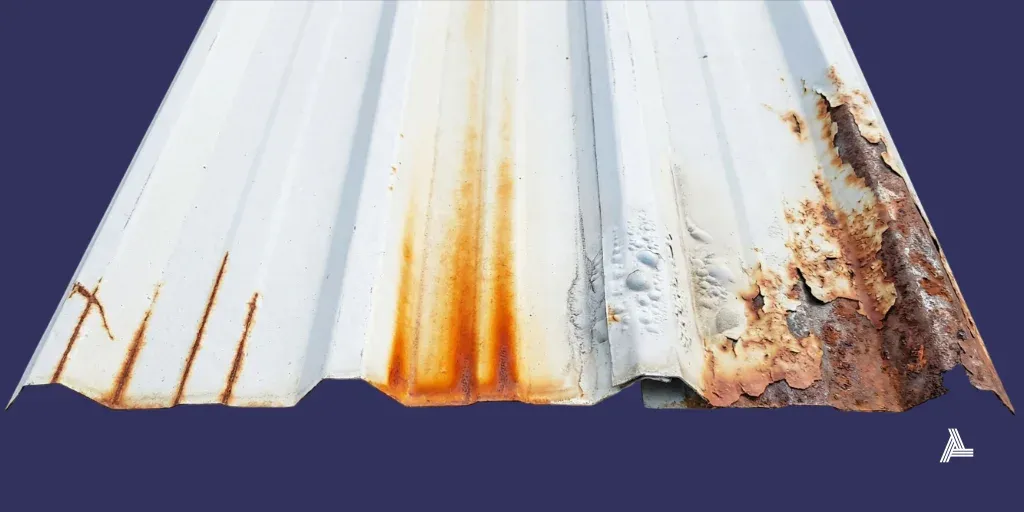
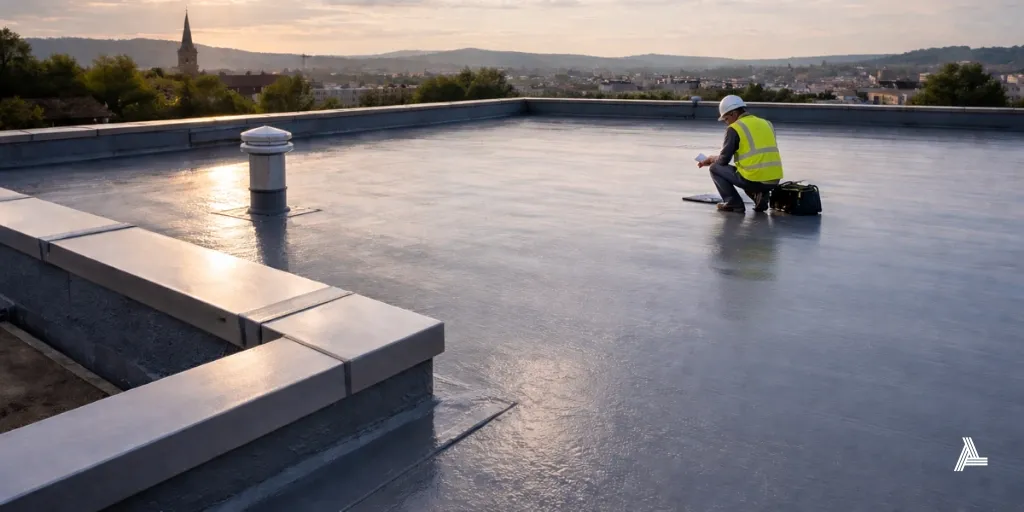
On refurbishment projects, assumptions about what lies beneath the surface often cause failure. Corrosion on metal roofs, trapped moisture beneath existing membranes, or deterioration of ageing coatings can all compromise performance if not identified early. Allbase site surveys are designed to confirm substrate condition before system selection, ensuring that preparation methods and compatibility are clearly defined within the specification.
Waterproofing System Selection
Choose the waterproofing system based on performance needs, not convenience or familiarity. Consider factors like movement, exposure, access frequency, and expected lifespan when selecting the system.
Allbase offers a variety of roofing systems tailored to UK roofing projects, and instead of relying on a single solution, the choice depends on factors such as the condition of the substrate, expected movement, exposure, access requirements, and the intended service life of the roof. This adaptable approach enables specifications to be customised to each project’s specific circumstances, whether prioritising durability, flexibility or installation constraints. When the detail is awkward or the roof carries plant and upstands, a specifier will often reach for a seamless cold-applied membrane, and our liquid roofing range is built to shape itself to exactly those conditions.
Detailing
Roof details are often the most vulnerable parts of any waterproofing system. A specification should clearly specify how waterproofing is applied at upstands, parapets, pipe penetrations, plant supports, gutters, outlets, and edges.
Thermal Performance
Thermal performance is governed by UK Building Regulations, but compliance alone does not guarantee effective performance in use. A roof specification should consider the insulation type and thickness, vapour control requirements, and condensation risk, particularly on refurbishment projects where existing build-ups may be retained.
Falls and Drainage Design
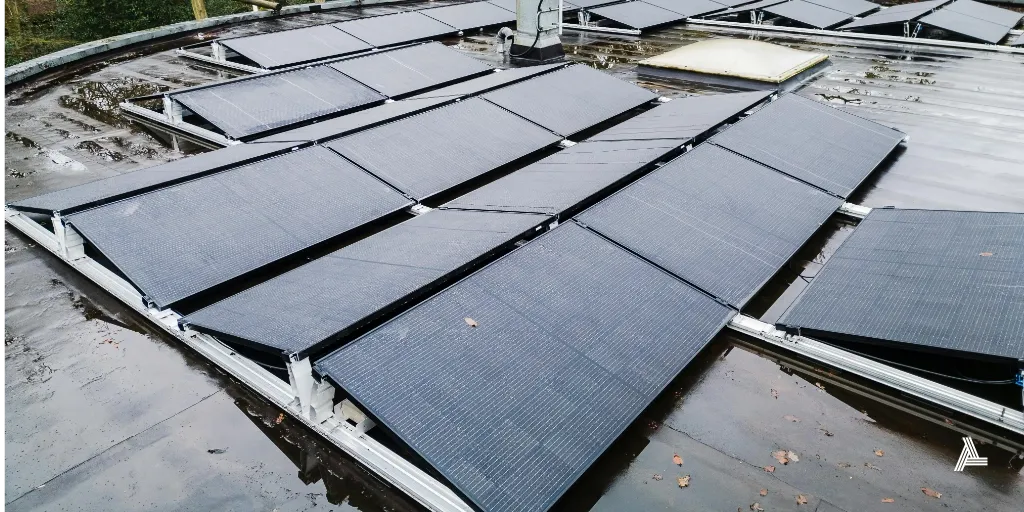
Specifications should cover minimum falls, outlet locations, gutter design, and compatibility with existing drainage infrastructure. Liquid-applied systems are especially effective in gutters and drainage zones, where complex shapes and standing water are common.
Fire Performance
Fire performance is a vital aspect of roofing compliance with UK standards. External fire spread is generally evaluated using the Broof(t4) classification. A roof specification should clearly specify the required fire performance, the relevant test standards, and the system build-up used to ensure compliance.
Slip Resistance Where Relevant
Where roofs are accessed for maintenance, plant operation, or as occupied spaces, slip resistance becomes an important consideration. Specifications should define surface finish and performance requirements based on anticipated use rather than appearance alone.
Compatibility
Overlay and refurbishment projects require meticulous compatibility checks. Existing roofs may consist of asphalt, single-ply membranes, metal roof sheets, liquid coatings, or asbestos cement. Allbase systems are designed to bond to a wide range of substrates, but adhesion testing and moisture assessment should always be included in the specification process.
Maintenance and Lifecycle Planning
A roof specification should go beyond installation to outline inspection schedules, maintenance duties, and repair plans. This method helps achieve consistent asset management and lessens dependence on reactive maintenance. Allbase provides long-term maintenance and inspection services to ensure roofs meet their performance standards throughout their lifespan.
Understanding Roofing Performance Standards in the UK
Roof specifications in the UK must adhere to a framework of British Standards, Building Regulations, BBA approvals, and fire performance classifications. A compliant specification does not merely list standards; it shows how the proposed roof system meets them in practice.
Technical support from Allbase helps specifiers align system design with regulatory requirements by providing test data, system guidance, and compliance documentation where necessary.
Common Causes of Roofing Specification Failure
Many roofing failures can be traced back to preventable specification issues. Insufficient substrate preparation, incorrect system choice, poorly defined details, and failure to consider drainage or thermal movement are all common causes.
On metal roofs, cut edge corrosion is often overlooked, leading to repeated failures as protective coatings break down. Liquid-applied systems can seal and shield vulnerable edges when this risk is properly considered during specification.
How System Type Influences Roof Specification Complexity
Different waterproofing system types come with their own unique challenges when it comes to specifications. Systems that rely a lot on laps, fixings, and pre-formed parts need careful planning and close attention to workmanship. Every interface carries a chance for slight deviations from the original specifications, underscoring the importance of meticulous execution.
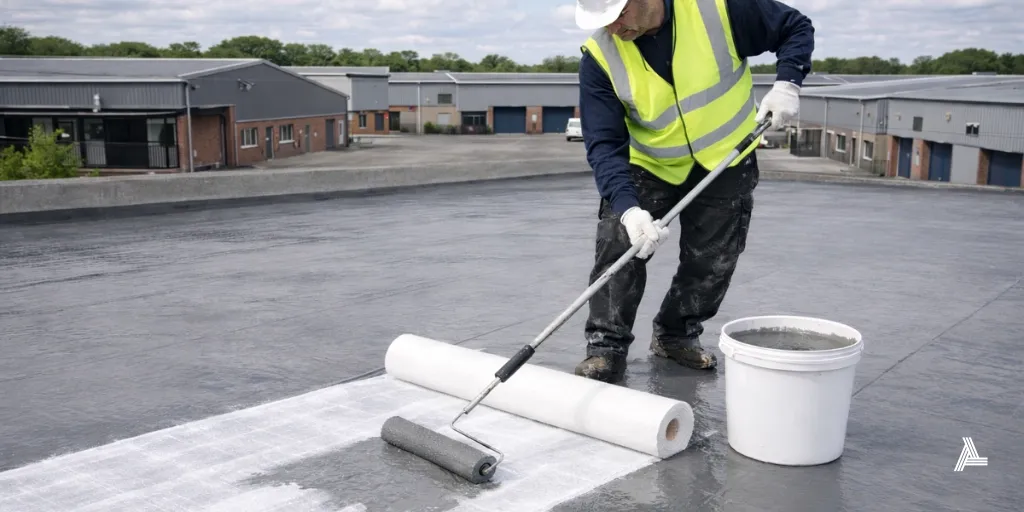
Systems applied in situ, including liquid-applied methods, reduce the number of critical junctions that need to be managed. This shifts the focus of specifications towards preparation, application control, curing conditions, and inspection rather than junction management.
From a specification perspective, the main concern is not which system is selected, but how that system influences risk distribution and control. Specifications should be drafted to address complexity, not overlook it.
Applying Specification Principles Across Different Roof Types
No matter what type of roof you have, the basic principles of specifications stay the same. When working on new build roofs, it’s great to have access to known substrates and coordinated design details, which makes it easier to set clear, detailed specifications. For refurbishment projects, it’s helpful to have specific survey data and some flexibility built in to account for different conditions. This approach ensures everything is well-planned and adaptable to each project’s unique needs.
When choosing systems for their flexibility, it’s important to also clearly outline their limitations, preparation standards, and quality control measures. This helps prevent any confusion and ensures everyone is on the same page.
Writing Specifications for New Build and Refurbishment Projects
New build specifications usually have a design-led approach, emphasising seamless integration, compliance, and ensuring excellent long-term performance. On the other hand, refurbishment specifications tend to be risk-focused, with a strong emphasis on compatibility, careful investigation, and maintaining controlled flexibility to adapt as needed.
Clear refurbishment specifications help define investigation requirements and ensure everyone understands their responsibilities, preventing confusion or shifting design duties to installers during the project.
The Role of Technical Support and Installer Competence
A roof specification is truly valuable when it’s delivered just as planned. Skilled installers, close technical oversight, and thorough quality checks are essential to ensuring the final roof matches the original design and performs beautifully.
Technical input helps make system choices more realistic and details clearer, ensuring everything remains compliant. Having approved installer networks also maintains consistent workmanship and strong accountability throughout the entire project.
Specification Discipline Over System Preference
Understanding roof specifications is really more about discipline than just choosing the right product. Many roofing issues arise from unclear assumptions, missing details, or decisions that weren’t properly documented or tested under actual site conditions. Being thorough and clear can make all the difference in ensuring a successful roof.
A strong roof specification considers the roof as a system and addresses substrate condition, performance requirements, detailing, compliance, and long-term maintenance in a structured and transparent way. System choice should support this structure, not drive it.
When specifications are written with clarity, realism, and accountability, roofing performance becomes predictable rather than reactive. That is the foundation of durable, compliant, and cost-effective roofing across UK projects.
Allbase supports this process by providing technical surveys, system design input, approved contractors, quality control, and long-term maintenance support, helping to ensure that specifications are not only well written but also correctly implemented and maintained throughout the roof’s lifespan.