On this page
1. Introduction
Over the past twenty years, designing flat roofing and waterproofing systems has become much more nuanced. With higher performance expectations, tighter regulations, more complex building needs, and a greater understanding of long-term asset risks, the process has evolved from just picking materials to a collaborative, multidisciplinary design approach.
Today, flat roofs are more than just weatherproof layers, they are part of the building’s overall design. They need to keep water out, withstand temperature changes, accommodate plants and foot traffic, support landscaped zones, meet fire and energy standards, and last for many years with minimal hassle.
When surveys are insufficient, system choices are unsuitable, details are unclear, or workmanship is poorly managed, hidden defects can develop that may only become visible years later. Fixing these issues can be quite costly, both financially and in terms of reputation, often outweighing the initial installation costs.
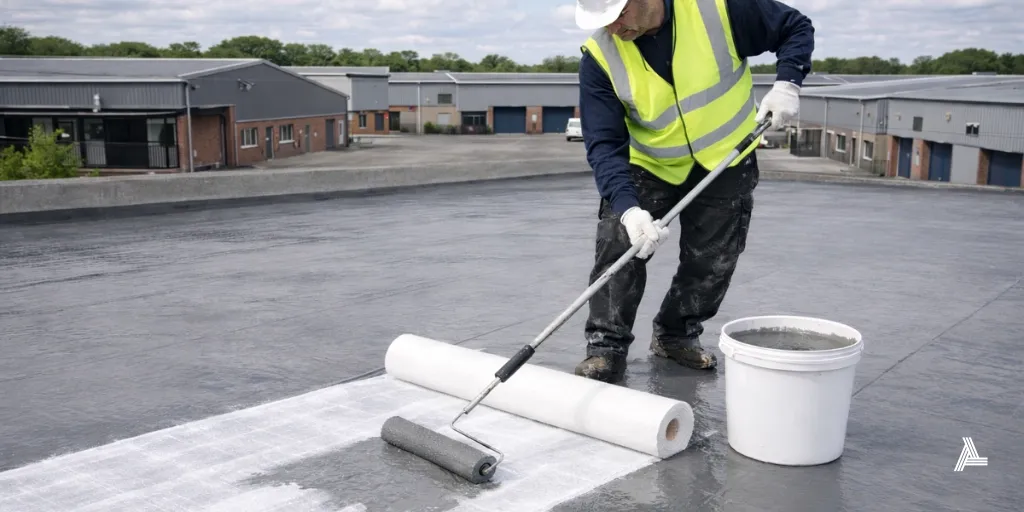
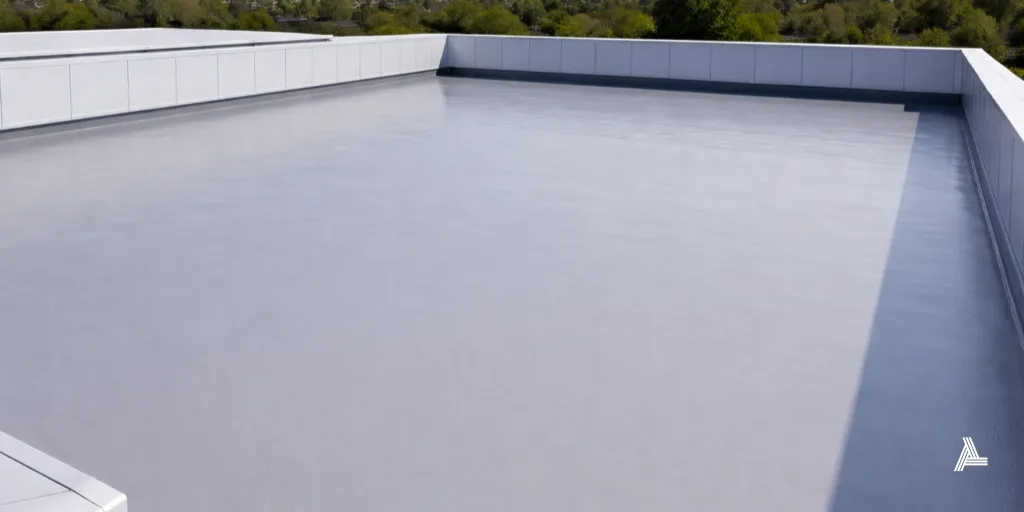
Allbase functions as a dedicated technical partner in this environment, rather than just a product supplier. We’re here to support specifiers, surveyors, contractors, and asset owners by guiding them through a clear, evidence-based specification process. Our goal is to help reduce risk, simplify construction, and deliver long-lasting waterproofing solutions for flat roofs, balconies, terraces, and podium decks. The same thinking runs through our liquid roofing systems for flat and complex roofs, where a cold-applied, seamless membrane has to bond reliably to whatever deck it meets and then survive years of UV, ponding and thermal movement.
This guide explains how Allbase approaches liquid-applied waterproofing specifications from first principles, embedding performance, compliance, and long-term reliability into every stage of the design and delivery process.
2. Client Briefs and Performance Objectives
Every successful waterproofing specification starts with a clear and properly understood brief. At Allbase, we begin by understanding not just what the client aims to build, but also how the roof or deck will be used, maintained, and cared for throughout its service life.
Translating Requirements into Technical Criteria
Client briefs are often shared in general terms, like longevity, minimal disruption, future-proofing, or meeting insurer requirements. The role of the specification consultant is to help turn these ideas into clear, achievable technical goals.
- Intended service life and durability class
- Acceptable levels of maintenance intervention
- Tolerance for downtime or access restrictions
- Criticality of the space below the waterproofing layer
- Whole-life cost priorities rather than the lowest capital cost
These criteria establish the basis for selecting and detailing the system later in the process.
Service Life and Maintenance Strategy
Liquid-applied systems can be designed for a broad range of service lives, generally between 15 and 25 years or more, depending on system build-up, exposure conditions, and maintenance planning. Allbase does not view service life as a standalone product attribute. Instead, it depends on design, quality of installation, inspection regime, and ongoing care.
Maintenance expectations are therefore established at the specification stage, not postponed until handover. Roofs that require regular access or plant servicing need different protective strategies from those designed as non-trafficked areas.
Fire, Thermal, Acoustic, and Access Considerations
Flat roofs impact several performance areas beyond waterproofing. Fire safety, thermal continuity, acoustic separation, and safe access features must all be considered collectively rather than separately.
Allbase collaborates with design teams to ensure waterproofing solutions integrate properly with insulation systems, fire strategies, access walkways, and fall-protection measures without compromising system integrity.
Insurer Expectations and Risk Profiling
Insurers are increasingly scrutinising roof designs, especially on commercial and multi-occupancy buildings. Factors such as fire performance, wind uplift resistance, drainage capacity, and detailing robustness all influence risk assessments. By addressing these considerations during specification, rather than reacting to them after design, Allbase helps minimise the chances of exclusions, conditions, or future disputes.
Sustainability and Lifecycle Thinking
Whole-life performance, repairability, refurbishment potential, and waste reduction are essential for responsible specifications. Liquid-applied systems provide advantages in this area, particularly when refurbishment, overlay, or phased maintenance strategies can extend roof life without requiring a complete strip-out. Allbase integrates lifecycle thinking into its recommendations to support long-term environmental and financial objectives.
3. Surveying, Investigation, and Substrate Assessment
In refurbishment projects, especially, the quality of the initial survey directly impacts the success of the specification. Many waterproofing failures can be traced back to assumptions about existing substrates that were never properly verified.
New-Build and Refurbishment Workflows
Allbase Tailors Its Approach to Every Project. For new builds, we love coordinating trades and capturing design intent to ensure everything comes together seamlessly. When working on refurbishments, we take extra care to thoroughly understand the existing construction, which helps us plan confidently and move forward smoothly. We never rely solely on drawings because materials, build-ups, and conditions can differ significantly from the recorded information, especially in older buildings.
Desk Studies and Intrusive Investigation
Desk studies are useful for gaining a general understanding, but there is no real substitute for hands-on investigation to build our confidence. By taking core samples, opening test sites, and carefully examining local details, Allbase can accurately identify the substrate type, thickness, moisture content, and interface complexity. These investigations help us make informed decisions on preparation, priming, compatibility, and system selection, reducing the risk of unexpected problems during installation.
Moisture and Adhesion Testing
Residual moisture can often cause issues with liquid-applied systems if not carefully managed. That’s why Allbase includes moisture assessment as part of its survey process, helping to decide whether drying, isolation, or vapour control measures are needed. Additionally, adhesion testing is performed to confirm whether the existing substrates will reliably support a liquid system or whether further remedial preparation is necessary.
Identifying Hidden Risks
Legacy construction issues such as trapped moisture, incompatible coatings, concealed movement joints, or degraded substrates can often go unnoticed without careful investigation. By identifying these risks early, Allbase helps prevent the need for incorrect system choices and saves costly, on-site reactive fixes.
Avoiding Inappropriate System Selection
Liquid-applied waterproofing isn’t a one-size-fits-all solution. It’s really important to consider the condition of the substrate, potential movement, exposure levels, and the complexity of the details involved—all to ensure everything works seamlessly together. Thanks to Allbase’s survey-led approach, you can feel confident that the system selected is based on solid evidence, not just convenience.
4. Roof Design Strategy and System Selection
Waterproofing performance depends on a well-designed roof, so it’s important to choose a system that fits well with the roof’s thermal setup, drainage, and purpose.
Warm, Cold, Inverted, and Hybrid Roof Logic
Each roof type presents unique waterproofing considerations. Warm roofs focus on managing vapour and maintaining continuous insulation, creating a cosy, efficient barrier. Inverted roofs have the waterproofing layer placed beneath insulation and ballast, introducing a different set of challenges. Allbase is here to assist design teams in selecting the most suitable liquid-applied solutions that work effectively with each roof style, helping address common issues such as thermal movement, vapour pressure, and ease of inspection access.
Falls and Drainage Design
Standing water on roofs is a common cause of early damage, so it’s important to carefully plan the slope during the design process. Remember to account not only for the planned falls but also for potential variations during construction, as well as deflection and settling over time. Liquid-applied systems can help manage intricate drainage shapes, but establishing a solid fall strategy early on is key to preventing issues down the line.
User Loads and Surface Protection
Roofs and decks are becoming more versatile, often accommodating plants, foot traffic, and various amenities. To keep everything safe and lasting, waterproofing systems should include effective surface protection, evenly distribute weight, and prevent slips.
User Loads and Surface Protection
Roofs and decks are becoming more versatile, often accommodating plants, foot traffic, and various amenities. To keep everything safe and lasting, waterproofing systems should include effective surface protection, distribute weight evenly, and prevent slips.
Terraces, Podium Decks, and Balconies
Occupied spaces present unique challenges due to their frequent use, detailed features, and the serious consequences of any failure. It’s important to carefully address elements like thresholds, balustrade fixings, drainage outlets, and upstands. When properly detailed, liquid-applied systems are especially effective in these environments, providing seamless waterproofing even across complex shapes.
Integration with Insulation and Carrier Layers
Waterproofing is just one part of the bigger picture. It’s important to work hand in hand with insulation, vapour control layers, and carrier membranes to ensure everything fits together perfectly and works well over time. Our detailed specifications help ensure these connections are sorted out smoothly before installation begins, giving you peace of mind.
5. Regulatory Compliance and Standards Alignment
Regulatory compliance is integrated into the Allbase specification workflow rather than being viewed as a final check.
Building Regulations
UK Building Regulations set important standards for fire safety, thermal efficiency, moisture control, and structural safety, ensuring buildings are safe and reliable. Waterproofing systems are designed to support these goals, enhancing overall compliance without any setbacks. Allbase is committed to making sure that system specifications work hand-in-hand with these regulations, helping your project meet all necessary requirements smoothly.
Fire Performance
Fire strategy plays an important role in roof design, especially for buildings with multiple occupants or commercial spaces. It’s essential to specify liquid-applied systems as part of tested and validated build-ups to ensure they meet the required fire safety standards.
Thermal Performance and Condensation Risk
Waterproofing plays a crucial role in both thermal performance and managing condensation risks. When vapour control or insulation isn’t properly placed, it can cause moisture buildup, decrease insulation effectiveness, and lead to long-term damage. Allbase incorporates condensation risk assessments into its specifications to help ensure long-lasting and reliable performance.
Wind Uplift and Environmental Exposure
Wind loading, exposure conditions, and building height all influence the optimal waterproofing design. It’s essential to select liquid-applied systems with appropriate attachment, reinforcement, and detailed strategies to effectively withstand environmental stresses, ensuring durability and peace of mind.
Embedding Compliance into Specification
By carefully considering regulatory factors at every step of the specification process, we can help minimise the chances of late-stage design changes, site delays, and compliance issues, making the project run more smoothly.
6. Durability, Guarantees, and Lifecycle Performance
Durability isn’t just about choosing the right materials; it also depends on good design, careful installation, and ongoing maintenance to keep everything in top shape.
Designing for Long Service Life
Allbase specifications are developed to provide reliable service life outcomes, tailored to exposure, usage, and maintenance considerations. This way, clients can plan asset management strategies.
Testing and Performance Validation
Liquid-applied systems undergo thorough performance checks during development. Building on that, the specifications are designed to match site conditions and details as closely as possible to the tested scenarios, helping to ensure everything works smoothly.
Material Versus System Performance
A durable material is great, but it can still fail if not installed correctly or with proper details. Allbase emphasises the importance of system performance, understanding that waterproofing success really depends on how well the components work together, the quality of workmanship, and the surrounding environment.
Maintenance as Part of Specification
Maintenance requirements are carefully outlined during the planning stage to help ensure warranties and performance expectations remain valid throughout the system’s life.
7. Specialist Applications
Green Roofs
Living roofs account for moisture retention, root activity, and maintenance access. Liquid-applied waterproofing offers seamless protection beneath green roof layers when properly specified.
Blue Roofs
Blue roof systems are designed to temporarily hold rainwater at roof level to manage discharge rates and lower downstream flooding risk. This exerts prolonged hydrostatic pressure on the waterproofing layer, making resistance to sustained water head a key requirement rather than a secondary consideration.
Allbase liquid-applied waterproofing systems specified for blue roof applications have undergone independent testing to withstand a 6-metre static water head, demonstrating exceptional resistance to water ingress under sustained loads. This level of performance offers confidence in situations involving extended water retention, variable water depths, and long-duration exposure as part of the roof’s drainage strategy.
The specification for blue roofs also takes into account structural loading, outlet control, emergency overflows, and inspection access, ensuring that waterproofing performance is preserved throughout repeated wetting cycles and the entire service life of the roof.
Podium Decks and Amenity Spaces
High-use areas require durable, waterproofing solutions that can withstand movement, loads, and maintenance without failing.
Balconies and Walkways
Small areas with intricate detailing often pose a disproportionate risk. Liquid-applied systems perform well in these environments when strict specifications are enforced.
Gutters and Complex Details
Gutters, outlets, and penetrations are common failure points, and Allbase places particular emphasis on detailing strategy and access for future inspection.
8. Workmanship, Quality Control, and Installer Governance
Even the best specification will fail without effective workmanship control.
Approved Contractor Networks
Allbase systems are installed by a network of approved contractors who have demonstrated proven competency through training and assessment.
Training and Competency
Installer training emphasises system understanding, detailed execution, and quality assurance rather than only application speed.
Site Inspections and Technical Sign-Off
Technical inspections ensure that the specification’s intent is realised on site. This includes verifying preparation, application thickness, and detailing quality.
Application Control and Curing Assurance
Liquid-applied systems need precise application to meet design standards. Monitoring wet film thickness and managing curing processes are essential for quality assurance.
Completion Certification and Handover
Clear documentation and handover information support future maintenance and asset management.
9. Maintenance, Inspection, and Long-Term Asset Care
Waterproofing performance continues long after installation.
Planned Inspections
Regular inspections spot minor issues early, preventing them from becoming failures, thus safeguarding both the asset and any associated guarantees.
Preventative Versus Reactive Maintenance
Preventative maintenance lowers lifecycle costs and reduces disruption compared to reactive repairs after failure.
Repairs and Life Extension
Liquid-applied systems are suitable for localised repair and refurbishment, helping to extend service life when properly maintained.
Guarantee Protection
Adhering to maintenance requirements ensures that system guarantees stay valid throughout their duration.
10. A Structured Approach to Liquid-Applied Waterproofing
Waterproofing failures seldom result from a single mistake; they typically arise from gaps in specification discipline, incomplete investigations, or inadequate oversight of workmanship.
Product-only thinking falls short because it overlooks the complexity of real buildings and actual usage conditions. Specification is a risk management discipline that balances performance, compliance, durability, and cost over time.
Allbase’s approach minimises technical, legal, and financial risks by embedding evidence-based decision-making at every stage of the waterproofing process. From initial brief to long-term maintenance, we act as a technical partner dedicated to delivering dependable, durable results.
For clients, specifiers, and contractors alike, this approach instills confidence that waterproofing systems are not only compliant at completion but remain resilient throughout their service life.